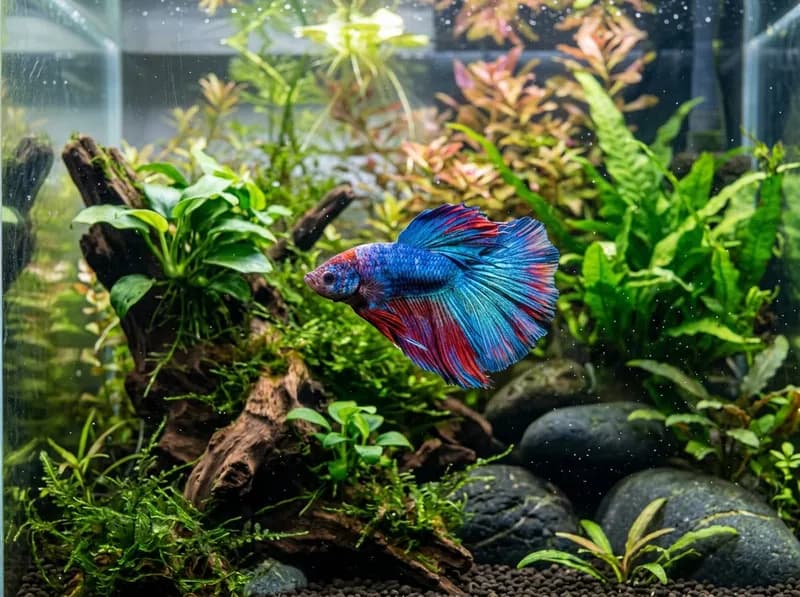
Betta Fish
Betta splendens
Comparing options?
Betta vs Guppy: tank size, temperament, and best choice
Both are beginner favorites, but they suit very different setups. Compare solo betta care with keeping an active guppy group.
Overview
Bettas are one of the most popular freshwater fish for good reason. They are stunning to look at, full of personality, and can thrive in smaller setups. But there is a lot of bad advice floating around about betta care. The biggest myth? That they can live in a tiny unfiltered bowl. They cannot. Bettas are tropical fish that need a heater, a filter, and at least 5 gallons to stay healthy. When properly cared for, a betta will show vibrant colors, build bubble nests, and recognize you when you walk up to the tank. They are genuinely interactive fish.
Tank Setup
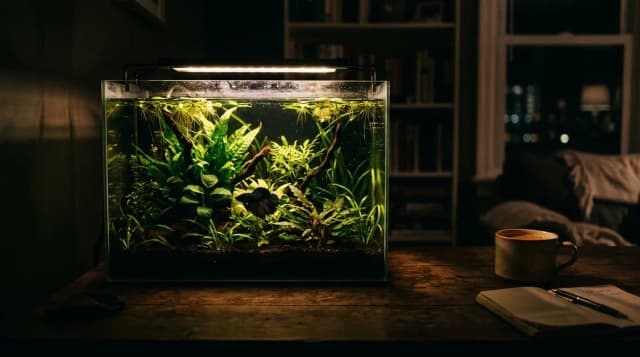
A proper betta setup with gentle filtration and live plants
A 5-gallon tank is the minimum, but 10 gallons gives your betta more swimming room and makes water parameters much more stable. Use a gentle sponge filter or a hang-on-back filter with an adjustable flow. Bettas are not strong swimmers, and a powerful current will stress them out. Add live or silk plants for cover. Avoid plastic plants with sharp edges because betta fins tear easily. A lid is essential since bettas are jumpers. Substrate can be gravel or sand, whatever you prefer. Keep the tank away from windows and drafts to avoid temperature swings.
Water Parameters
Bettas need warm water between 76-82 degrees Fahrenheit. A heater is not optional, even if your room feels warm. Room temperature water is usually around 68-72 degrees, which is too cold and will make your betta lethargic and prone to disease. Use a thermometer to verify. pH should be between 6.5 and 7.5. Most tap water falls in this range after conditioning. Perform 25% water changes weekly and always use a water conditioner to remove chlorine and chloramine.
Diet & Feeding
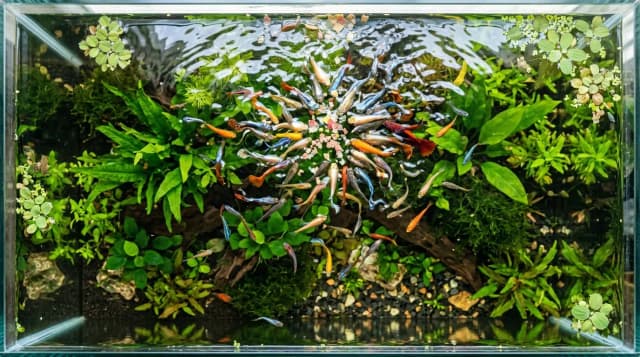
Quality nutrition is key to betta health and color
Bettas are carnivores and need protein-rich food. A high-quality betta pellet should be the staple, but variety matters. Rotate between pellets, frozen bloodworms, frozen brine shrimp, and freeze-dried daphnia. Feed 2-3 pellets twice daily. Bettas have small stomachs (roughly the size of their eye), so overfeeding is the most common mistake. One fasting day per week helps prevent bloating and constipation. If your betta's belly looks rounded or swollen, you are feeding too much.
Behavior & Temperament
Bettas are territorial, especially males. Two male bettas in the same tank will fight until one is dead or severely injured. Female bettas can sometimes coexist in groups of 5 or more (called a sorority), but this requires a heavily planted 20+ gallon tank and is not recommended for beginners. Bettas are curious and will investigate anything new in their environment. They often learn to follow your finger along the glass and will come to the front of the tank at feeding time. Some bettas are more aggressive than others, so tankmate compatibility depends on the individual fish.
Compatible Tankmates
For beginners, a betta is best kept alone. If you want tankmates, choose small, peaceful species that stay out of the betta's way. Cherry shrimp, nerite snails, and mystery snails are the safest options. In a 10+ gallon tank, you can try bronze corydoras (group of 6) since they are bottom dwellers and rarely interact with the betta. Avoid anything with long fins (guppies, other bettas) or anything nippy (tiger barbs, serpae tetras). Always have a backup plan in case your betta does not tolerate tankmates.
Common Health Issues
Fin rot is the most common betta disease, usually caused by poor water quality. You will notice the edges of the fins turning dark, ragged, or dissolving. Clean water is the best treatment. If it progresses, aquarium salt baths or medication may be needed. Ich (white spot disease) shows up as tiny white dots on the body and fins. Raise the temperature to 82 degrees and treat with an ich-specific medication. Velvet is another parasite that gives the fish a gold or rust-colored dusting, best treated with copper-based medication. Swim bladder disorder causes the betta to float sideways or sink, often from overfeeding. Fast for 2-3 days and then feed a blanched, deshelled pea.
Breeding
Male bettas build bubble nests at the water's surface, which is a sign of good health, not necessarily readiness to breed. Breeding requires a separate 10-gallon tank, a conditioned pair, and commitment to raising fry. The male wraps around the female during spawning, catches the falling eggs, and places them in the bubble nest. He guards the nest for 24-36 hours until the fry hatch. Remove the female after spawning and the male after the fry are free-swimming. Fry need infusoria or baby brine shrimp for the first few weeks.
Tankmates to Avoid
These species don't mix well with Betta Fish. Tap a name for the full breakdown.
Frequently Asked Questions
Quick Stats
Related Guides
Compare
What You Need for Betta Fish
Gear that works well for this species, based on what experienced keepers actually use.
Sponge filters produce the gentlest flow, which bettas need. No intake to trap fins, and the sponge surface grows beneficial bacteria.
Adjustable dial with thickened quartz glass construction. Available in 25W and 50W sizes that fit betta tanks without taking up too much space.
Color-enhancing formula with proper protein content. Pellets are sized right for betta mouths.
Looks great, supports live plants, and is gentle on betta fins if they rest on the bottom.