Best Substrate for Freshwater Aquariums
Substrate isn't just about aesthetics. It anchors plants, hosts beneficial bacteria, and dictates your water chemistry. Choose poorly and you'll battle algae, cloudy water, and stubborn plants. Get it right and the tank tends to manage itself. Here are four substrates covering the main freshwater setups, from budget options to specialized planted tanks.
Our Picks
Fluval Stratum
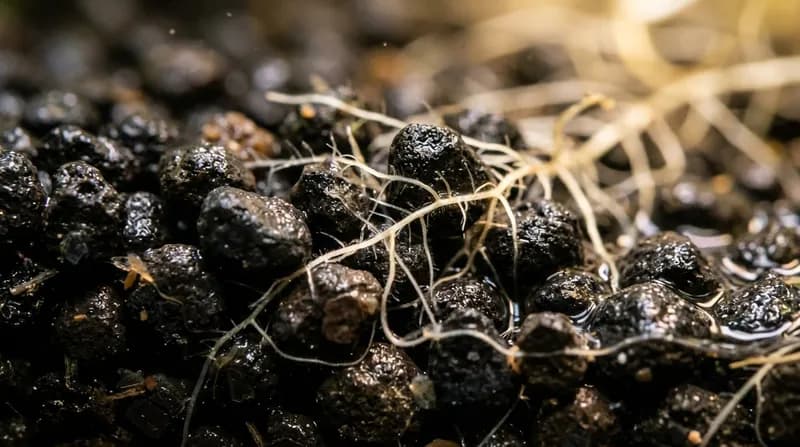
Best for Planted TanksVolcanic soil ideal for planted tanks and shrimp. Lowers pH slightly, provides nutrients that root-feeding plants need. The porous granules offer ample surface area for beneficial bacteria. For planted tanks or shrimp-focused setups, this is the top choice.
Pros
- • Rich in minerals and nutrients for root-feeding plants
- • Naturally lowers pH, ideal for soft-water fish and shrimp
- • Porous granules support beneficial bacteria
- • Dark color makes fish colors pop
Cons
- • Breaks down over time, may need replacing after 2-3 years
- • Lightweight granules get kicked up by bottom dwellers
- • Clouds water significantly during initial setup
- • More expensive per pound than inert substrates
CaribSea Eco-Complete Planted Substrate
Best OverallComes pre-rinsed in mineral-rich water, letting you pour it in and start planting immediately. Contains live beneficial bacteria and volcanic basalt with iron and 25+ minerals for plant roots. For most planted community tanks, this is the simplest route to a healthy substrate bed.
Pros
- • Pre-rinsed and ready to use straight from the bag
- • Contains live beneficial bacteria to help with cycling
- • Rich in iron and minerals that plants actually use
- • Does not break down over time
Cons
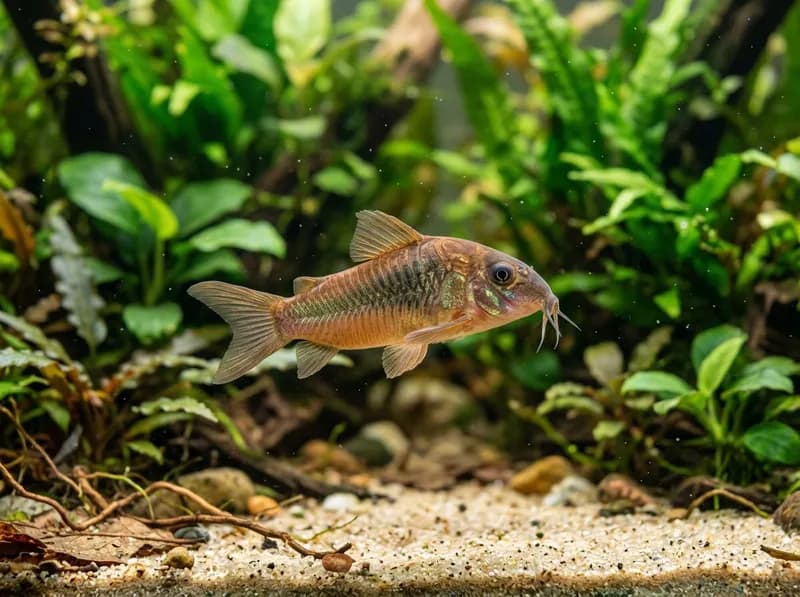
- • Coarser than sand, some small corydoras may not love it
- • The liquid in the bag is dark and messy if you spill it
- • Does not lower pH like Fluval Stratum
- • Not the cheapest option for large tanks
Flourite Black Sand
Best Sand SubstrateOffers the appearance of sand with plant-growing benefits of clay-based substrate. Inert (won't change water chemistry), porous enough for plant roots and bacteria. Looks sharp in any tank. It resists compaction, letting plant roots spread more effectively.
Pros
- • Beautiful fine black sand appearance
- • Clay-based with trace minerals for plants
- • Inert, won't alter pH or hardness
- • Does not break down or need replacing
Cons
- • Requires extensive rinsing or it clouds water for days
- • Heavier than regular sand
- • Less nutrient-rich than Eco-Complete or Fluval Stratum
- • Dusty residue even after rinsing
Pool Filter Sand
Budget PickA 50-pound bag from any hardware store fills a 20 gallon tank with room to spare. Inert, uniform grain size, looks clean. No nutrients for plants, but for fish-only tanks, cichlid setups, or just want a clean substrate on the cheap, nothing beats the value.
Pros
- • Incredibly affordable for large quantities
- • Uniform grain size looks clean and natural
- • Inert, won't change water chemistry
- • Easy to vacuum and maintain
Cons
- • Zero nutritional value for plants without root tabs
- • Requires thorough rinsing (multiple rounds) to remove dust
- • Light color shows waste and algae more than dark substrates
- • Can compact over time and create anaerobic pockets
How to Choose the Right Aquarium Substrate
Your substrate choice comes down to two factors: whether you want live plants and which fish you are keeping.
For planted tanks, go with nutrient-rich substrates like Fluval Stratum or CaribSea Eco-Complete. These provide iron, minerals, and structure for root-feeding plants. Amazon swords, crypts, and vallisneria thrive in them. Stem plants and epiphytes (java fern, anubias) are less picky since they feed from the water column.
For fish-only tanks, inert substrates like pool filter sand or Flourite Black Sand work great. They look clean, are easy to maintain, and won't mess with parameters. Add root tabs later if you decide to try plants.
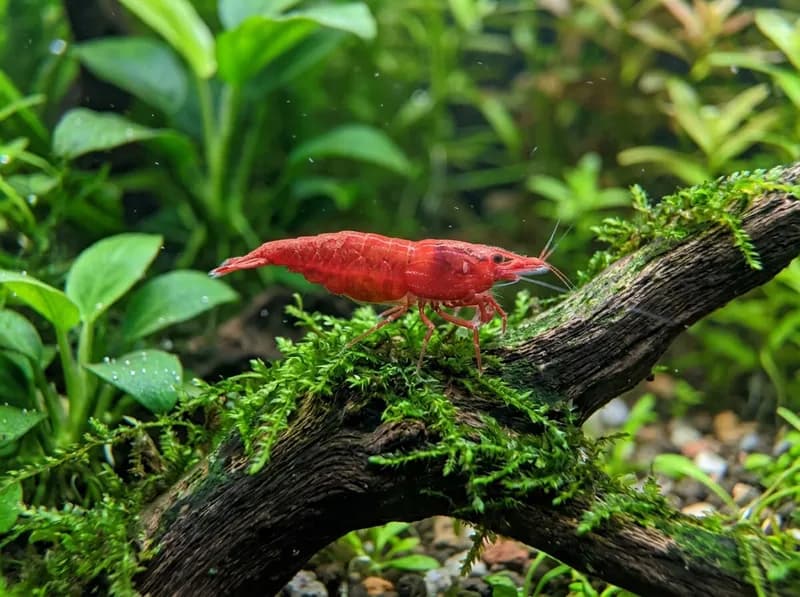
Grain size matters. Corydoras, loaches, and bottom dwellers need sand or fine substrate because coarse gravel damages their barbels. African cichlids do well on sand or crushed coral. Shrimp love fine substrates they can pick through.
Depth: aim for 2-3 inches. Less than that and plants won't root well. More than 3-4 inches risks anaerobic pockets, especially in sand, where toxic hydrogen sulfide forms. Malaysian trumpet snails help by burrowing and aerating deep substrate.
Always rinse substrate before adding, even if the bag says pre-rinsed. Exception: Eco-Complete comes in mineral-rich water you can pour directly in.