Can Betta Fish Live With Rummy Nose Tetra?
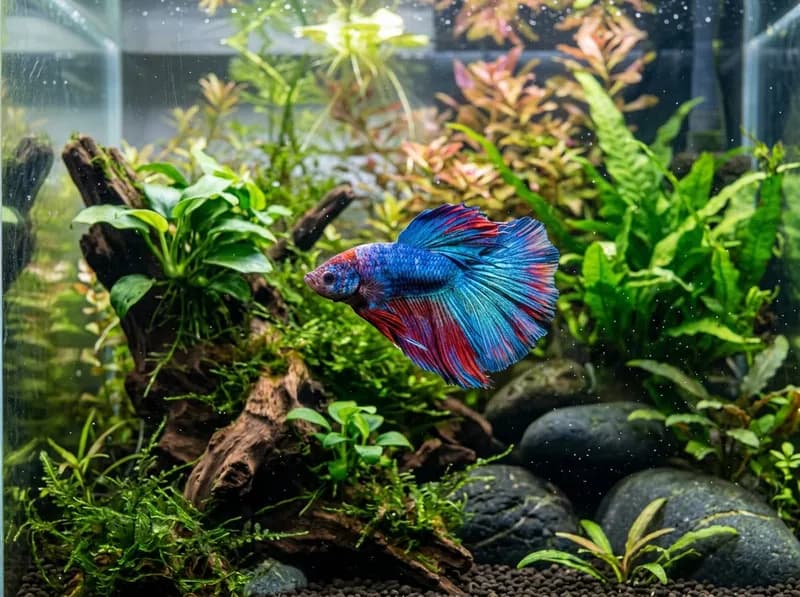
No, rummy nose tetras need soft acidic water and large schools in 20+ gallons, conditions that conflict with standard betta setups.
Why
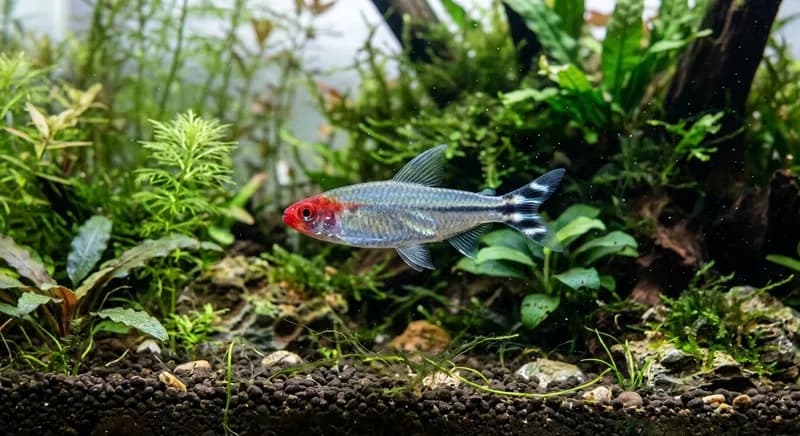
- Rummy nose tetras are among the most water-sensitive community fish, requiring soft, acidic water (pH 5.5-7.0) at 75-84°F. These conditions do not align well with standard betta setups.
- Rummy nose tetras need groups of 8+ in a 20+ gallon tank to school properly, which conflicts with the smaller betta territories most keepers maintain.
- A betta will view a school of rummy noses as either competitors for the mid-water column or as potential prey, and the tetras' schooling formation triggers territorial aggression in many bettas.
- Rummy nose tetras lose their signature red nose coloration when stressed, making them a visible barometer of tank stress. A betta's presence almost always causes measurable stress in this species.
What could go wrong
The rummy nose school will show persistent stress: fading red noses, loose schooling, and hiding near the bottom. Eventually the tetras will either die from stress-related illness or be picked off one by one as the betta's aggression escalates.
If you keep them in separate tanks
Sized for the 20 gallon minimum this pairing needs. Affiliate links — we earn a small commission if you buy through them.
AquaClear 30 Power Filter
Oversized filtration is what lets you stock two species together without water quality crashing. Rated for a tank slightly larger than the 20 gallon minimum.
Eheim Jager 150W Thermostat Heater
Holds a steady temperature inside the 76-82°F window both species need.
API Freshwater Master Test Kit
Keep ammonia, nitrite, and nitrate in check. Two-species tanks have more bioload and less margin for error than single-species setups.
Better pairings to consider
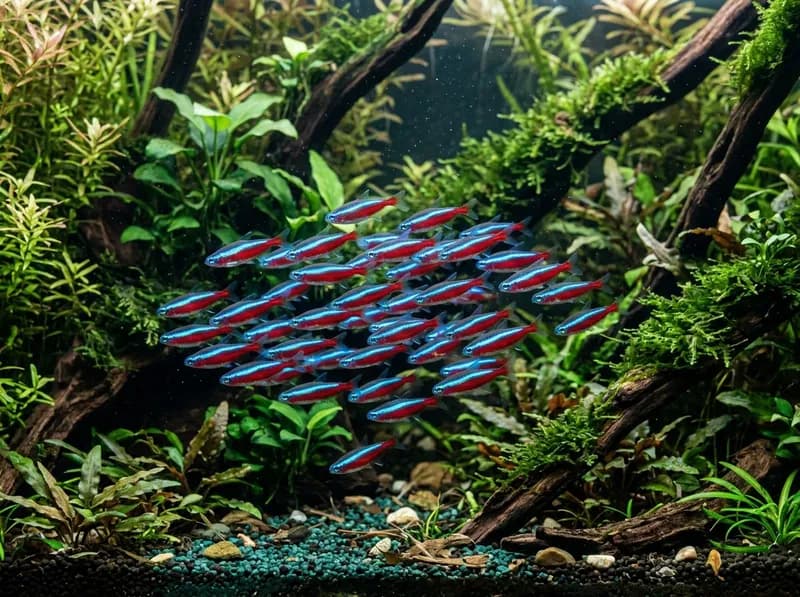
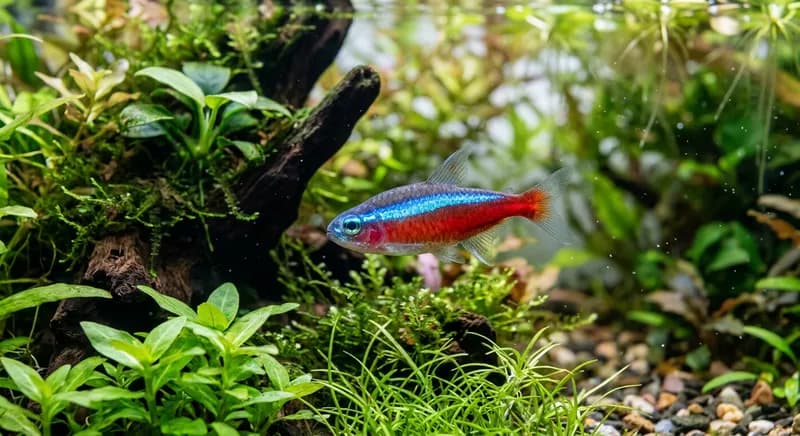
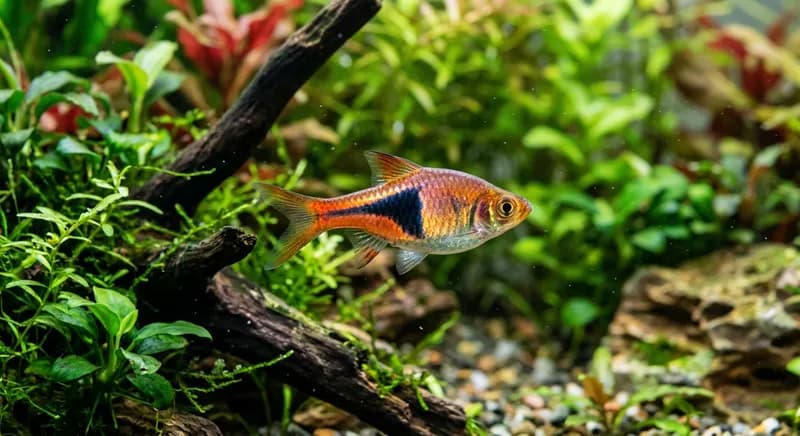
Bettas do well with corydoras, snails, and plecos; rummy nose tetras pair with cardinal tetras, neon tetras, harlequin rasboras, and corydoras in a planted soft-water community tank.
Related compatibility questions
Keep reading
Planning a community tank?
Check compatibility for any two freshwater species before you buy. Stop guessing, stop returning fish.
Open the compatibility chart →