Best Aquarium Heater for Fish Tanks
Most tropical fish need water between 76 and 82 degrees Fahrenheit. Room temperature water sits around 68-72, which is cold enough to stress tropical fish, wreck their immune systems, and invite diseases like ich. A decent heater holds your target temperature within a degree or two. A bad one swings wildly or sticks on and cooks your fish. Here are two solid options at different price points.
Our Picks
Hitop Adjustable Aquarium Heater
Best OverallThe Hitop is an adjustable submersible heater with a visible temperature dial and an indicator light that tells you when it is actively heating. It covers a wide range of tank sizes depending on which wattage you grab, and the price is hard to argue with for what you get. Adjustable means you can crank it up to 86 degrees for ich treatment, which preset heaters cannot do.
Pros
- • Adjustable temperature dial from 59 to 93 degrees Fahrenheit
- • Indicator light shows when the heater is actively running
- • Fully submersible with suction cup mounting
- • Available in multiple wattages for different tank sizes
Cons
- • Glass body can crack if exposed to air while hot, always unplug before water changes
- • Temperature accuracy can drift 1-2 degrees from the dial setting
- • No digital display, you will want a separate thermometer to verify
HiTauing Aquarium Heater
Budget PickA straightforward submersible heater at a rock-bottom price. The HiTauing does what a heater needs to do: keep your water warm and stay out of the way. It is adjustable, fully submersible, and comes with suction cups. For a basic tropical setup or a quarantine tank, spending more does not get you much.
Pros
- • One of the cheapest adjustable heaters available
- • Fully submersible with suction cup mounting
- • Adjustable thermostat covers the tropical range
- • Compact size fits easily in smaller tanks
Cons
- • Build quality is basic, do not expect it to last 5+ years
- • Thermostat accuracy can be off by a couple of degrees
- • Glass construction means the same cracking risk as any glass heater
How to Choose the Right Aquarium Heater
Start with the watts-per-gallon rule. You need roughly 3-5 watts per gallon of tank water. A 10 gallon tank needs a 30-50W heater. A 20 gallon needs 75-100W. A 55 gallon needs 150-275W. If your room runs cold (below 65 degrees), aim for the higher end. If your house stays around 72-75, the lower end works fine.
Always go adjustable over preset. Preset heaters are locked at 78 degrees, which is fine for most tropical fish, but you cannot raise the temperature to 86 for ich treatment or drop it for goldfish. That flexibility matters when something goes wrong.
For tanks over 50 gallons, run two smaller heaters on opposite ends of the tank instead of one big one. If one heater fails stuck-on, a smaller wattage limits how fast the temperature rises and gives you time to catch it before it is lethal. A single 300W heater stuck on can raise tank temperature 10 degrees in a few hours. Two 150W units give you a safety margin.
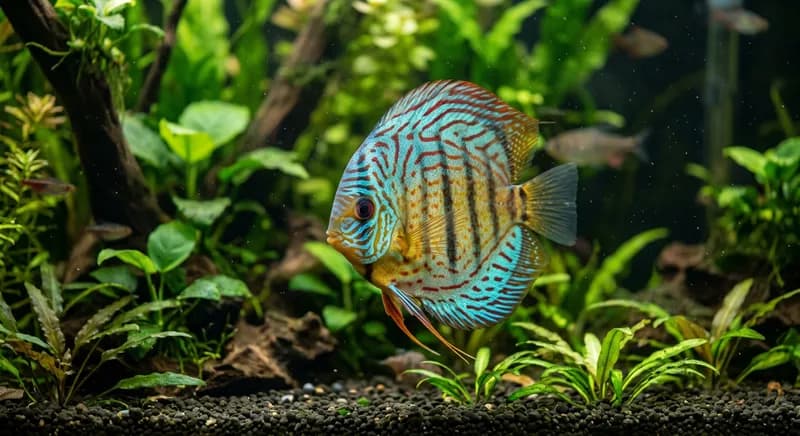
Glass vs. titanium is worth thinking about if you are keeping harder-to-replace fish. Glass heaters work fine, but they will crack if exposed to air while still hot. Titanium heaters cost more but are shatterproof, corrosion-resistant, and better for saltwater or heavily medicated tanks. For a basic freshwater setup, glass is fine. For discus, expensive shrimp, or heavily salted ich treatments, titanium is worth the extra cost.
Placement matters more than most people realize. Position your heater near the filter intake or outlet where water movement will distribute heat evenly. A heater sitting in a dead zone will read accurate at its location but leave cold pockets elsewhere in the tank. For horizontal placement, keep the heater fully submerged. For vertical, the sensor end goes at the bottom.
Always verify with a separate thermometer. The dial on any heater is an estimate, not a guarantee. After installing a heater, let it run for 24 hours and check with a thermometer before adding fish. Recalibrate or replace if the tank temperature is more than 2 degrees off your dial setting.
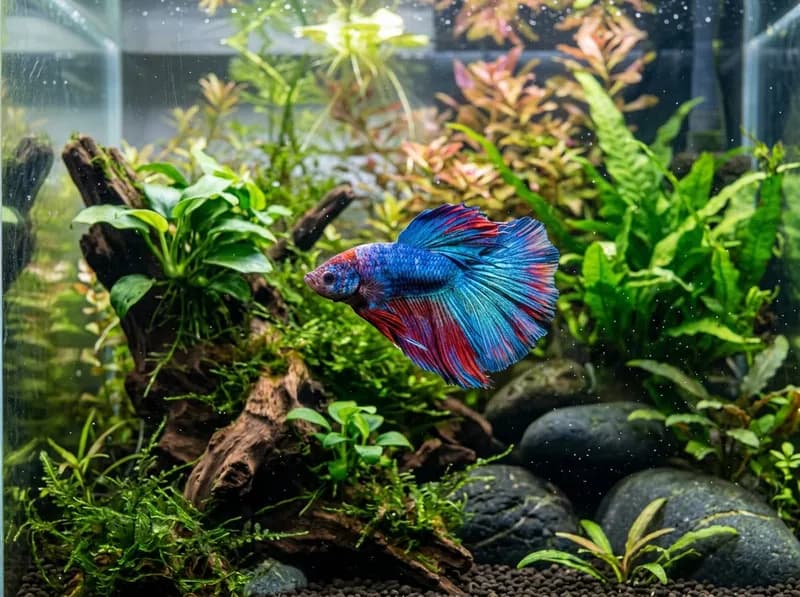
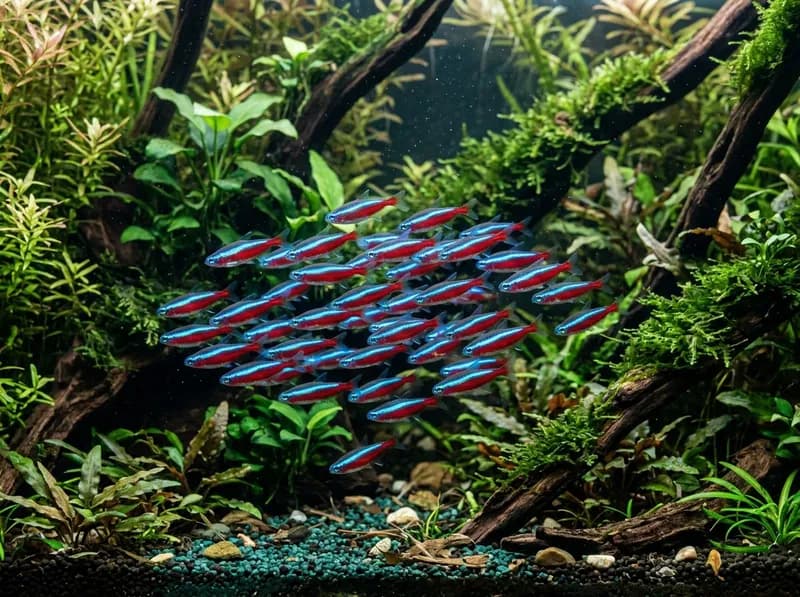
Some fish need specific temperature ranges. Bettas and discus need 78-82 degrees. Neon tetras do best at 72-78. Goldfish prefer 65-72 and may not need a heater at all in a climate-controlled room. Check your fish's actual requirements before setting the thermostat.