Can Albino Pleco Live With Bristlenose Pleco?
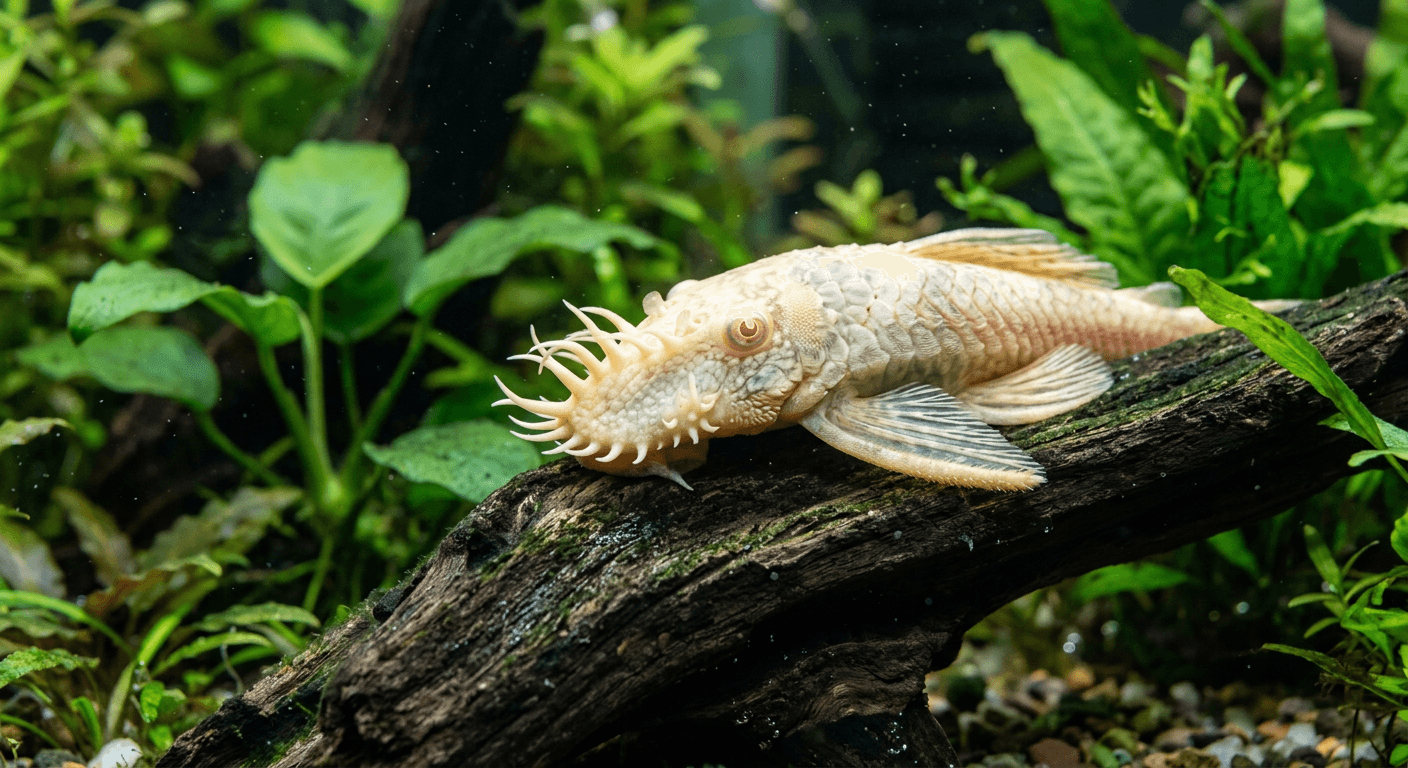
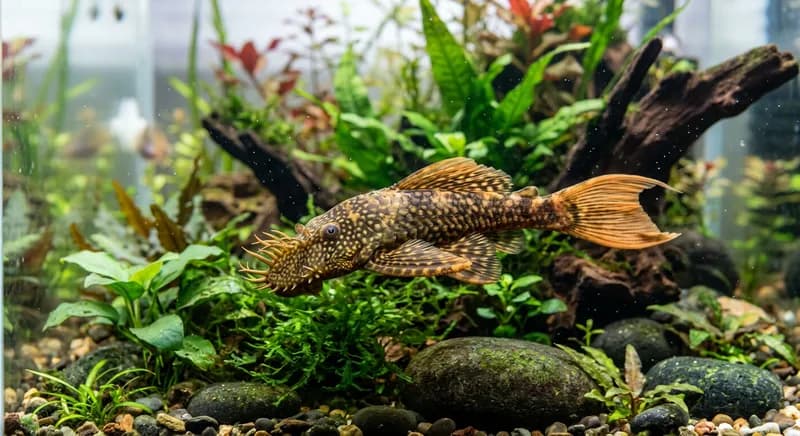
Maybe, with caveats , temperature and pH ranges overlap well and both species occupy the same bottom-dwelling niche, but two plecos of similar size may compete aggressively for territory and food.
Why
- Albino plecos and bristlenose plecos both thrive at 73-80F, giving a solid 7-degree overlap that eliminates temperature-related stress.
- pH overlap of 6.5-7.5 works for both species, with plecos in general preferring neutral to slightly acidic conditions.
- Both species are bottom-dwelling catfish that graze on algae, biofilm, and driftwood, meaning they directly compete for the same food sources.
- Albino plecos can reach 6-8 inches while bristlenose plecos stay at 4-6 inches, giving the albino a size advantage in territorial disputes.
- A 30-gallon tank with multiple driftwood pieces and separate rock caves gives each pleco its own zone without forced contact, but territory disputes can still arise.
What could go wrong
Two plecos in the same tank will compete for the best driftwood spot, with the larger albino potentially bullying the bristlenose until it stops coming out to feed.
Gear for a shared tank
Sized for the 30 gallon minimum this pairing needs. Affiliate links — we earn a small commission if you buy through them.
AquaClear 70 Power Filter
Oversized filtration is what lets you stock two species together without water quality crashing. Rated for a tank slightly larger than the 30 gallon minimum.
Eheim Jager 200W Thermostat Heater
Holds a steady temperature inside the 73-81°F window both species need.
API Freshwater Master Test Kit
Keep ammonia, nitrite, and nitrate in check. Two-species tanks have more bioload and less margin for error than single-species setups.
Better pairings to consider
Keep each species in its own tank, or rehome one pleco if you want both in a single setup. A 50-gallon or larger tank with heavily planted areas can sometimes support two plecos with minimal conflict.
Related compatibility questions
Keep reading
Planning a community tank?
Check compatibility for any two freshwater species before you buy. Stop guessing, stop returning fish.
Open the compatibility chart →